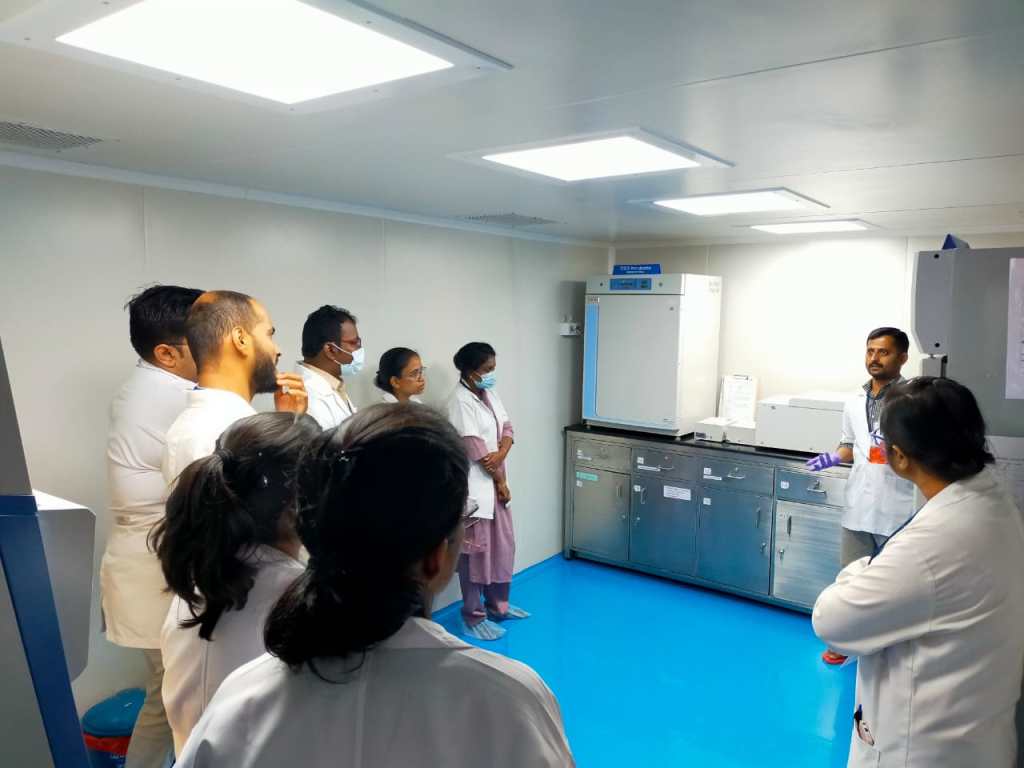
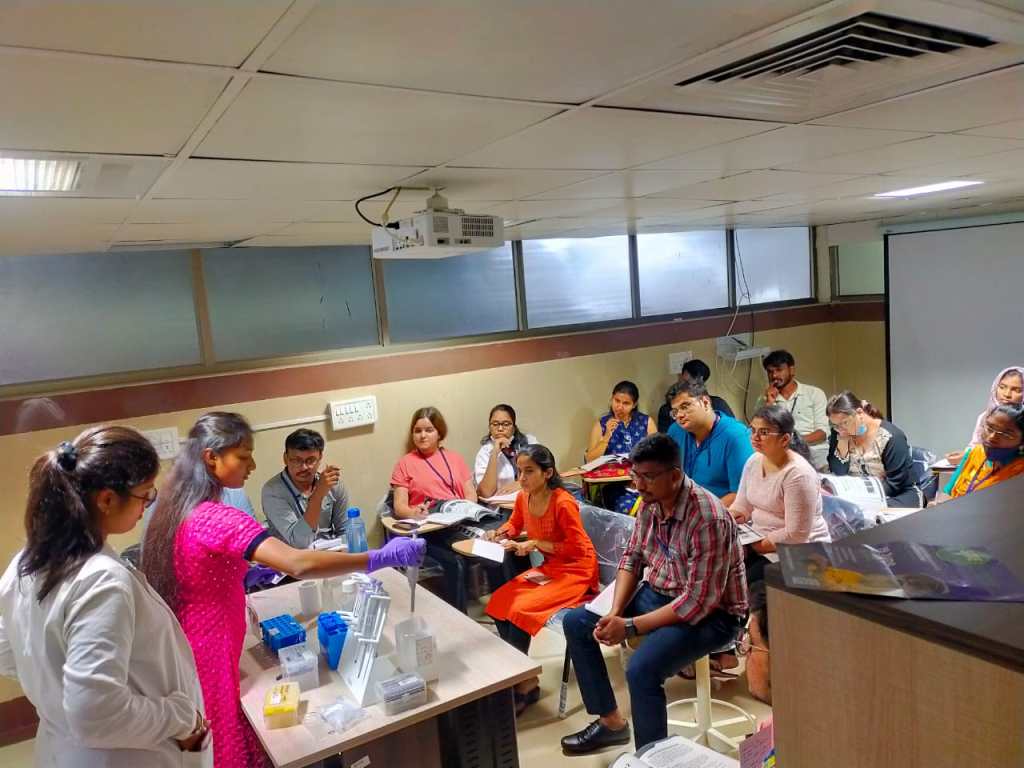
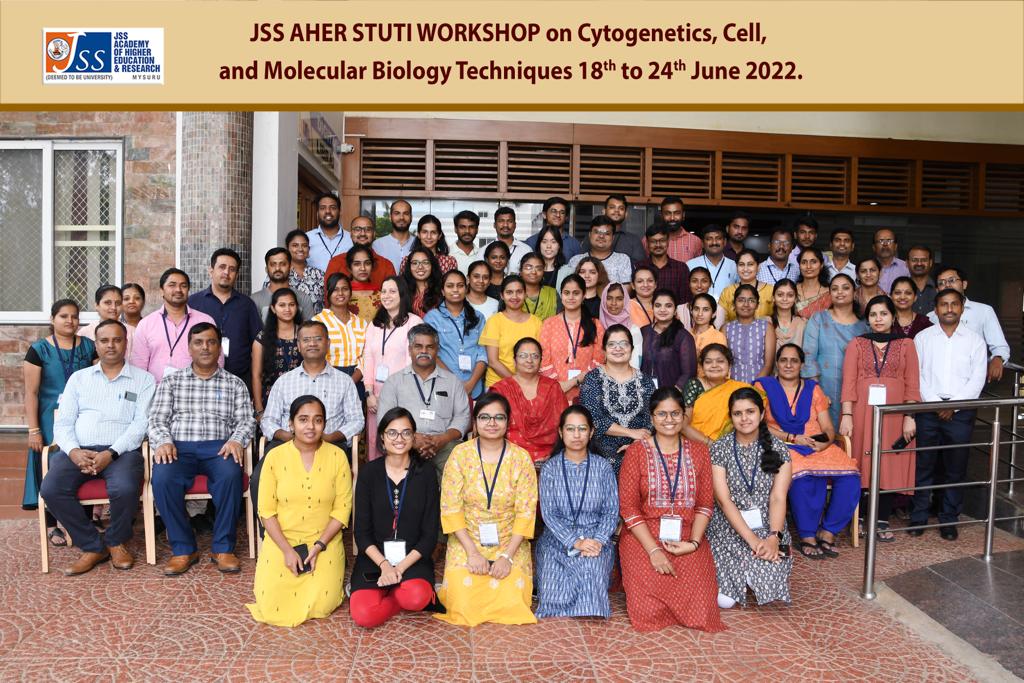
This week mainly consisted of attending the Cytogenetics and MCB Techniques workshop at JSS Hospital. With Prime Minister Modi arriving on Monday for International Yoga Day, BJP banners, flags, and massive billboards lined the streets touting the primer minister’s “Yoga for Humanity” campaign.
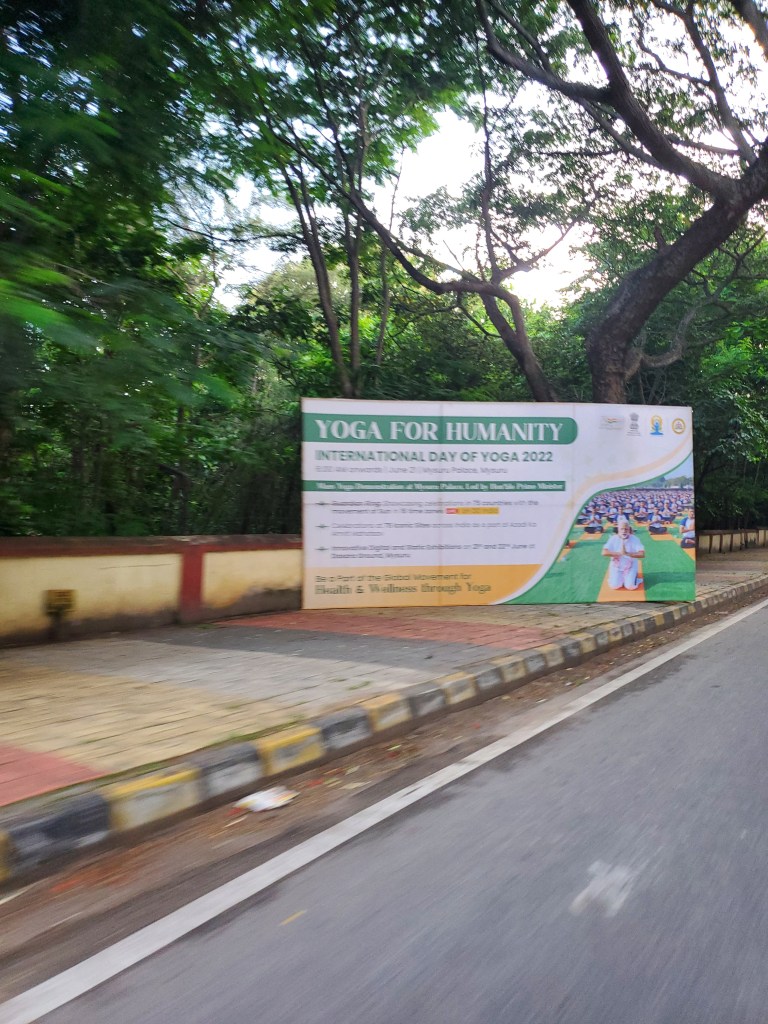
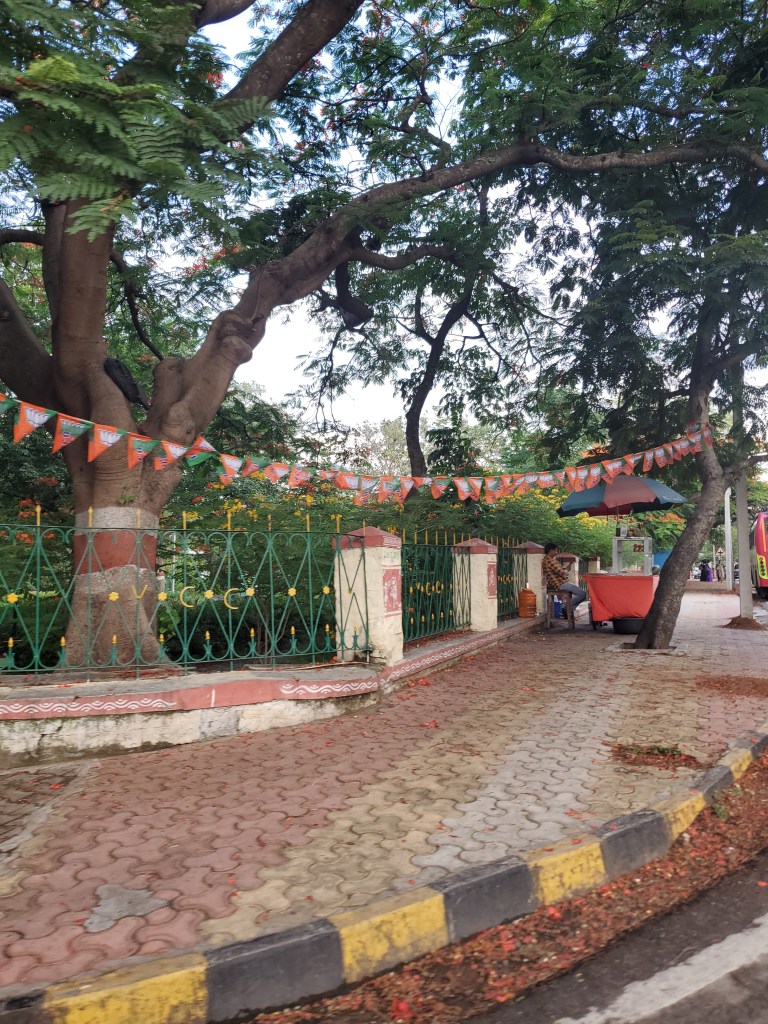
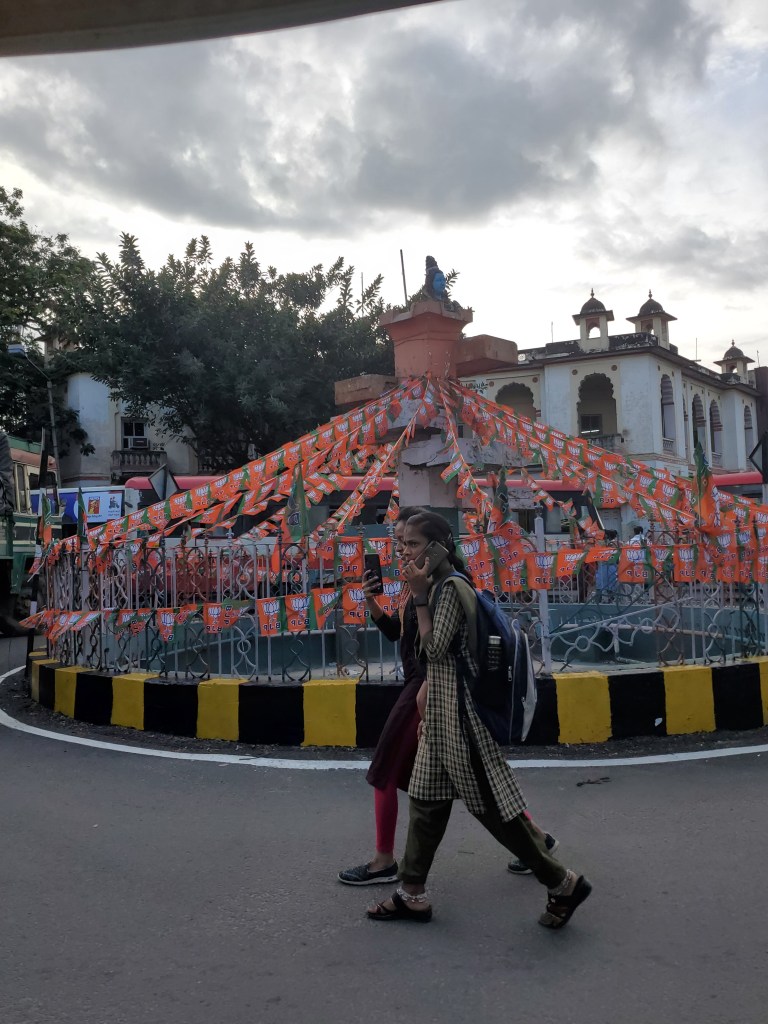
As a result, road closures were frequent today with a large police presence to direct traffic. For instance, my auto ride back to PHRI from JSS Hospital took 30 minutes instead of the usual 15.
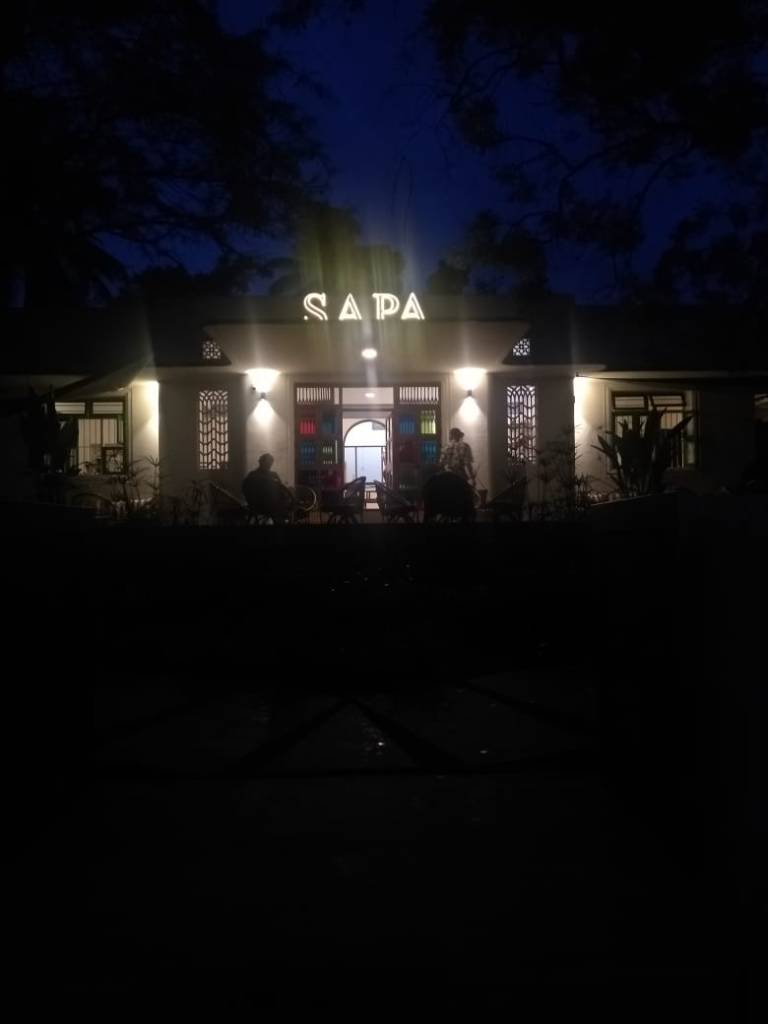
Tuesday evening, I went with Medha, a recent MD graduate from Bangalore who is also attending the Cytogenetics workshop, to SAPA. This bakery was started by a German woman who trained in French bakeries and cafes throughout India and now lives in Mysore with her family. They’re most well-known for their sourdough, but their other pastries were just as delightful. Medha and I each ordered their house-made ginger ale and shared the honey walnut rosemary sourdough loaf, tomato and olive panini, and chocolate walnut babka. Each pastry tasted so fresh and the ambiance of the place was incredibly welcoming and inviting. The quality of ingredients and balance of flavors were so well-executed, and it really made me miss baking at home.
Wednesday, we had a lecture by Dr. Pooja Aggarwal on molecular diagnostic tools and genetic testing in the field of clinical medicine. Out of all the talks today, I found this one the most intriguing because of its applications for the miRNA research I’m currently conducting. With my study examining miRNA expression in cervical cancer progression, the ultimate goal is to develop a biomarker panel that will identify which miRNA correspond with certain hallmarks of cervical cancer. Using this panel, diagnostic tests can be developed that will only require blood samples to effectively screen for cervical cancer, compared to the current methods of VIA (Visual Inspection with Acetic Acid), VILI (Visual Inspection with Lugol’s Iodine), pap smears or pelvic exams, all of which are either prone to physician error, perceived as invasive or taboo, or cause heighted discomfort to patients. In her lecture, Dr. Pooja explained the science behind the variety of biotech devices we often take for granted, ranging from breathalyzers, at-home COVID and pregnancy tests, and smart watch functions to analyze our heart rate and O2 saturation. One of the most exciting advancements she discussed was this concept of “lab on a chip,” which promises to bring common laboratory techniques to rural and underserved communities where access to traditional screening and diagnosis methods is much more limited. Even though an intervention like this will likely be years down the line, it’s still incredibly exciting to see how intersections between tech and medicine have the potential to drastically improve health outcomes.
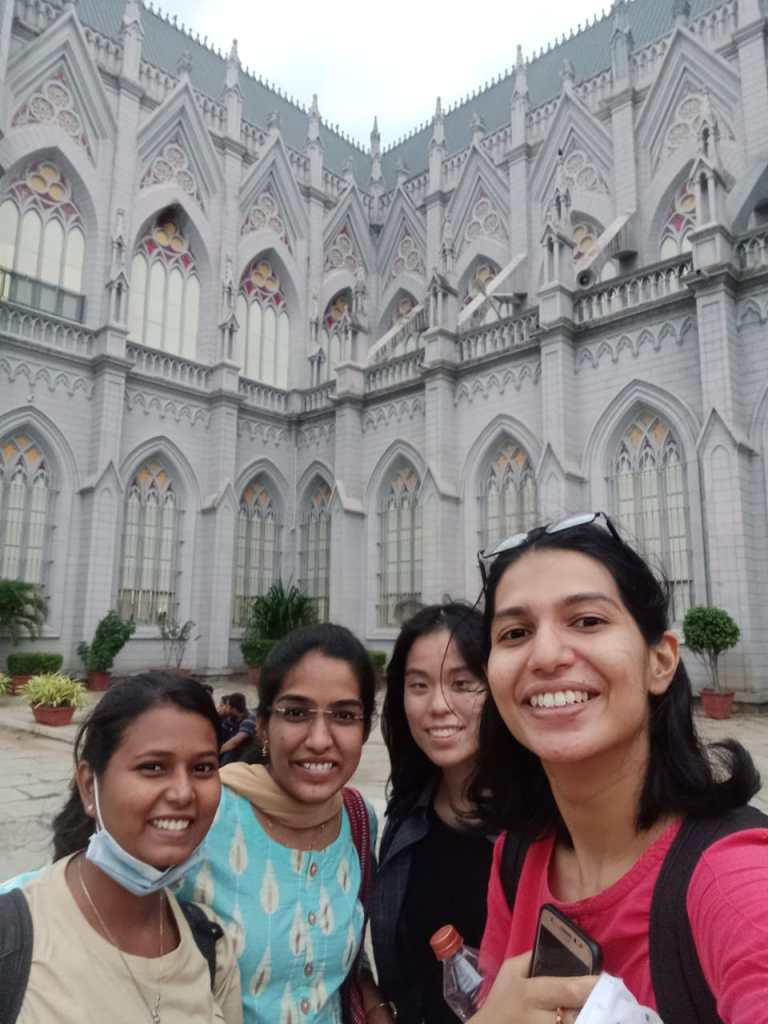
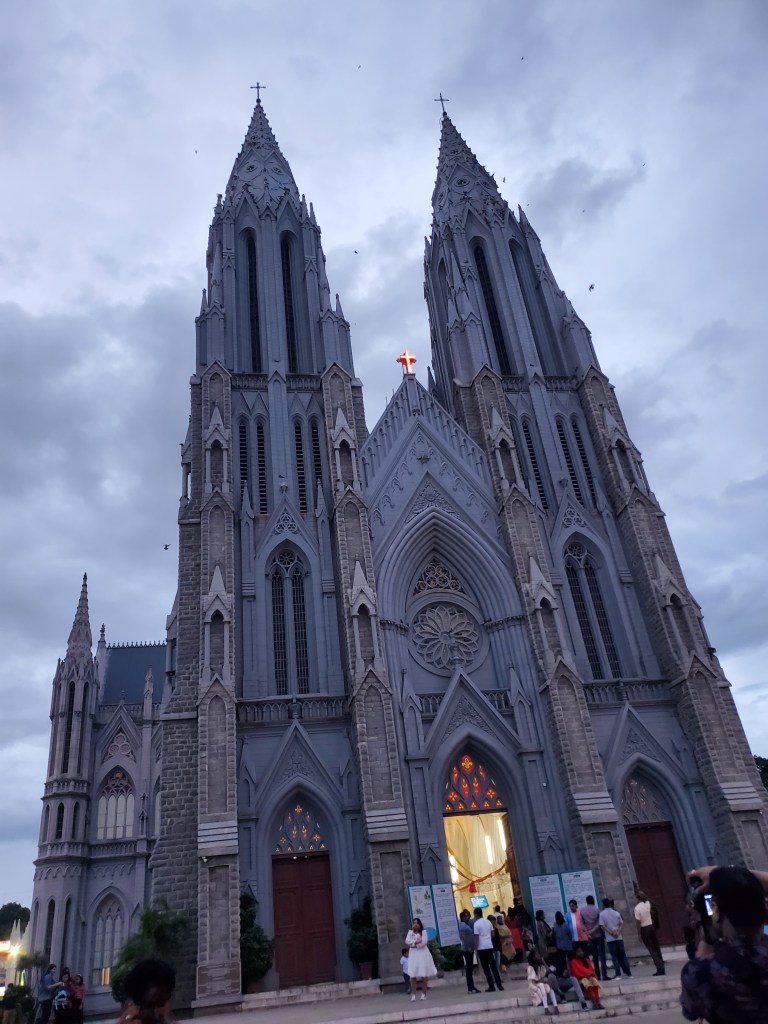
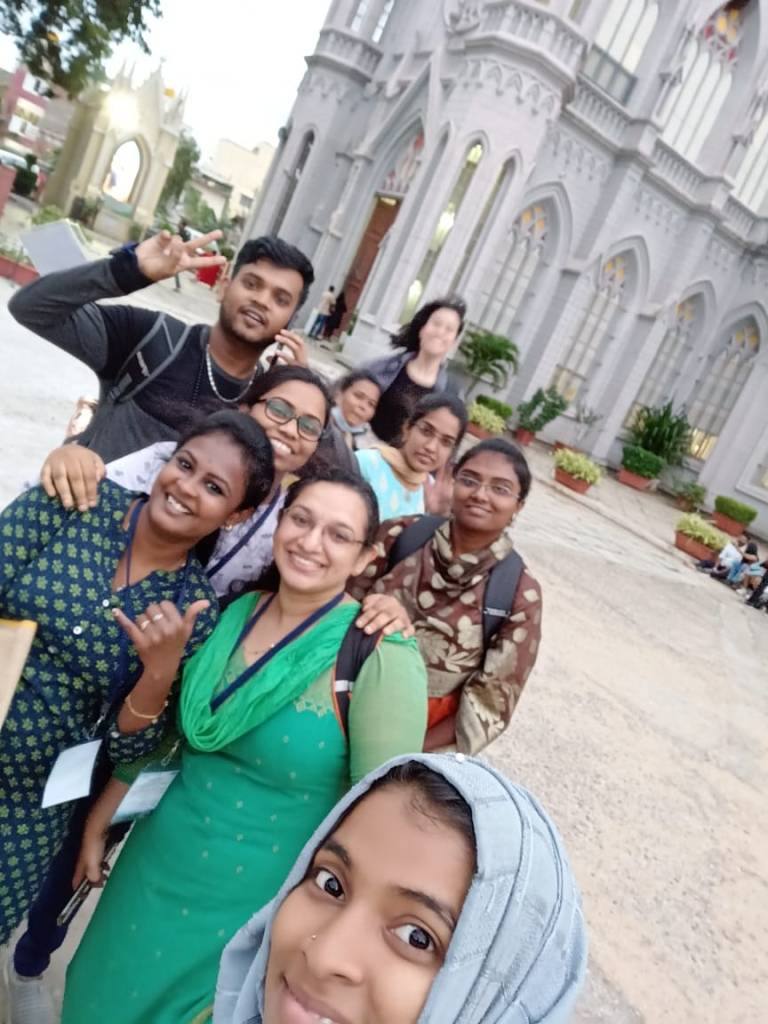
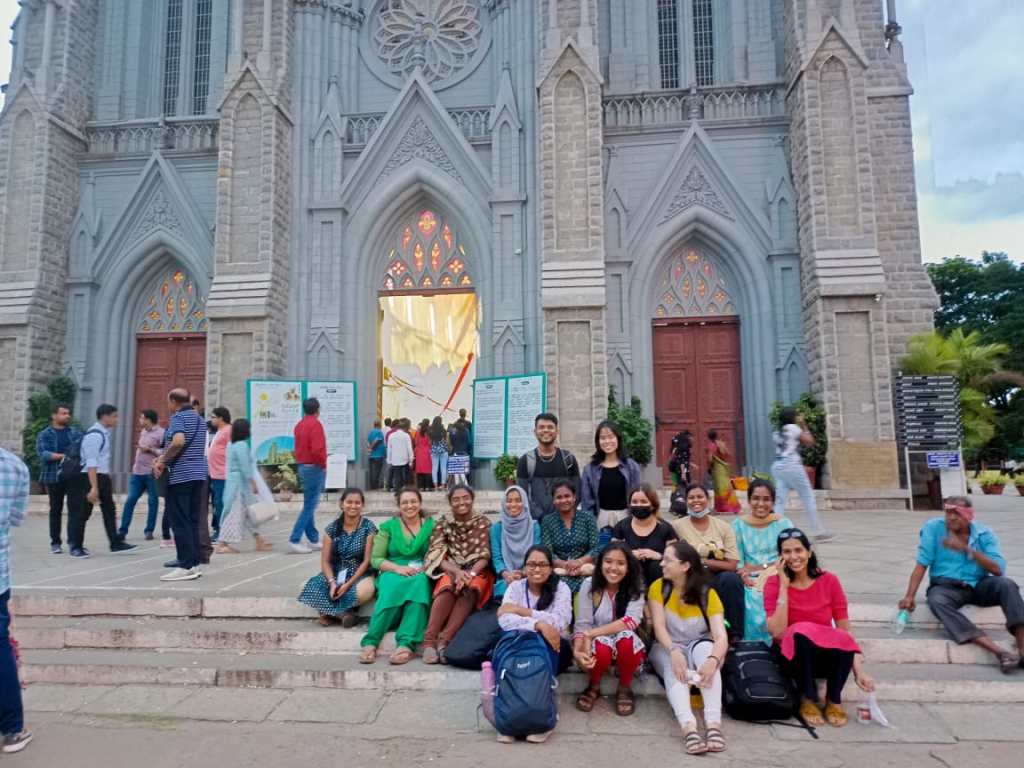
After the workshop, a few of the visiting students and I went to St. Philomena’s Church, one of the largest cathedrals in India. The architecture and detail were breathtaking, and they were even holding a Kannada service inside when we visited!
On Thursday, we began the workshop with a lecture by Dr. Vinay Kumar Rao on the fundamentals of confocal microscopy. For me, microscopes always seemed as ubiquitous pieces of equipment in wet labs that magnify slides by thousands-fold, but even as I used them day after day to identify the estrous stages of mice in Dr. Zhou’s lab, I never stopped to think about how they actually work. Dr. Vinay began his lecture with images of neurons and cytokines captured by confocal microscopes that were frankly breathtaking. It was really one of those “wow” moments that inspire wonder and remind you of just how beautiful and complex our bodies are. Sometimes, research becomes so mundane when you’re stuck in the grind of trying to standardize protocols or master pipetting, but it’s truly moments like those that instill a greater sense of purpose to this line of work. During the presentation, Dr. Vinay also brought up the principles of light emission and absorption that allow proteins to fluoresce and be captured under a confocal microscope. It was fascinating to see these concepts I learned in gen chem applied to lab tech.
After the workshop, I went to Pataka with a few of the other students from the workshop. Since it was listed on the PHRI guide as a place for “safe, good, chaat”, I decided that if there would be any instance on this trip where I ventured out into the world of Indian street food, now would be it. There, we ordered pani puri, bhel puri, dahl papdi chaat and palak pakoda chaat, spiralized potato on a stick with piri piri seasoning. My favorite out of all the dishes we tried was the palak pakoda chaat, which consisted of fried spinach leaves mixed with curd, red onions, cilantro, and a variety of spices. The yogurt really helped to neutralize some of the heat, and all the flavors complemented each other nicely. We finished the night with some ice cream from Corner House, which was amazing as well.
Friday was the last day of the workshop. It was bittersweet saying goodbye to all the workshop participants and professors. Isn’t it strange how there’s some people that you can know for years but remain little more than mere acquaintances, and then there’s others that you meet only for a few fleeting days, but it feels like you’ve known each other forever? Maybe it’s the novelty of it all or the fact that spending 7 hours a day in a hospital lab with other people just as clueless as you are serves as the perfect bonding experience, but I’m really going to miss the people I’ve met this week when this workshop ends. The workshop was not only a valuable opportunity for me to learn about basic MCB lab techniques, but it also provided firsthand insight into higher education in India. The professors, faculty, and PhD students at JSS who organized the workshop did an incredible job in planning the logistics, and everyone was so kind and willing to answer questions and offer personal and professional advice. I don’t know if I’ll ever see any of them again, but I’m very grateful for the time we had together.
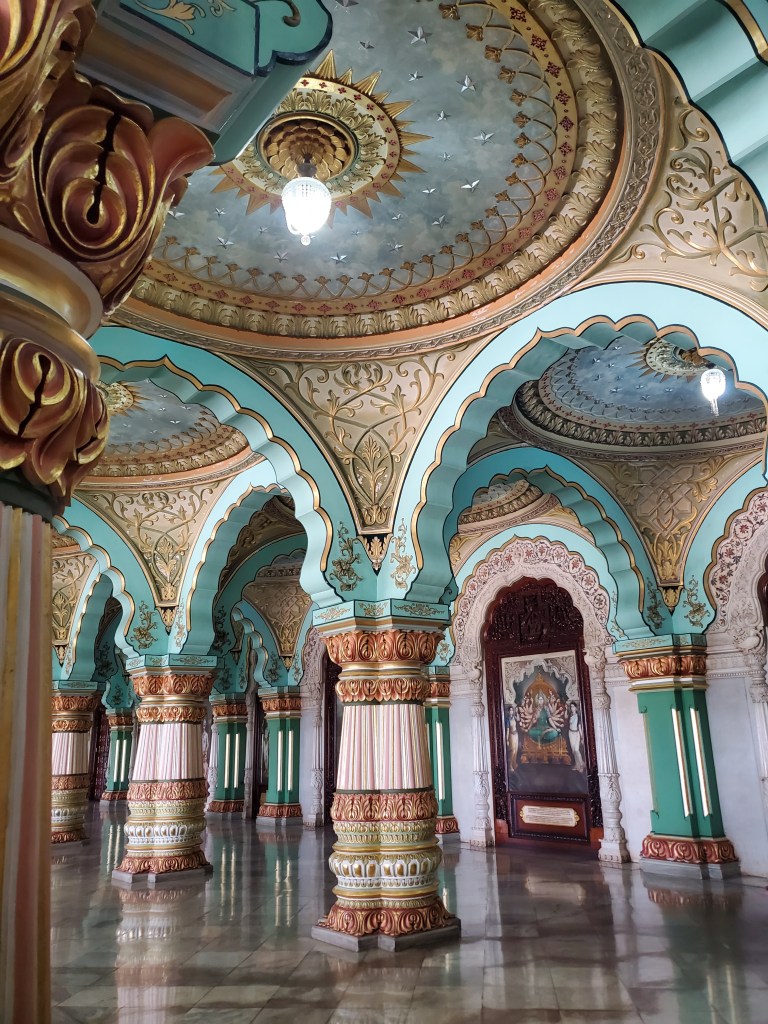
Over the weekend, Nikhita and I went to tour the inside of the Mysore Palace. It was stunning to see the remarkable detail in the paintings and architecture, and I still can’t wrap my head around the fact that the hallways we roamed used to be the living spaces of the Mysore royal family.
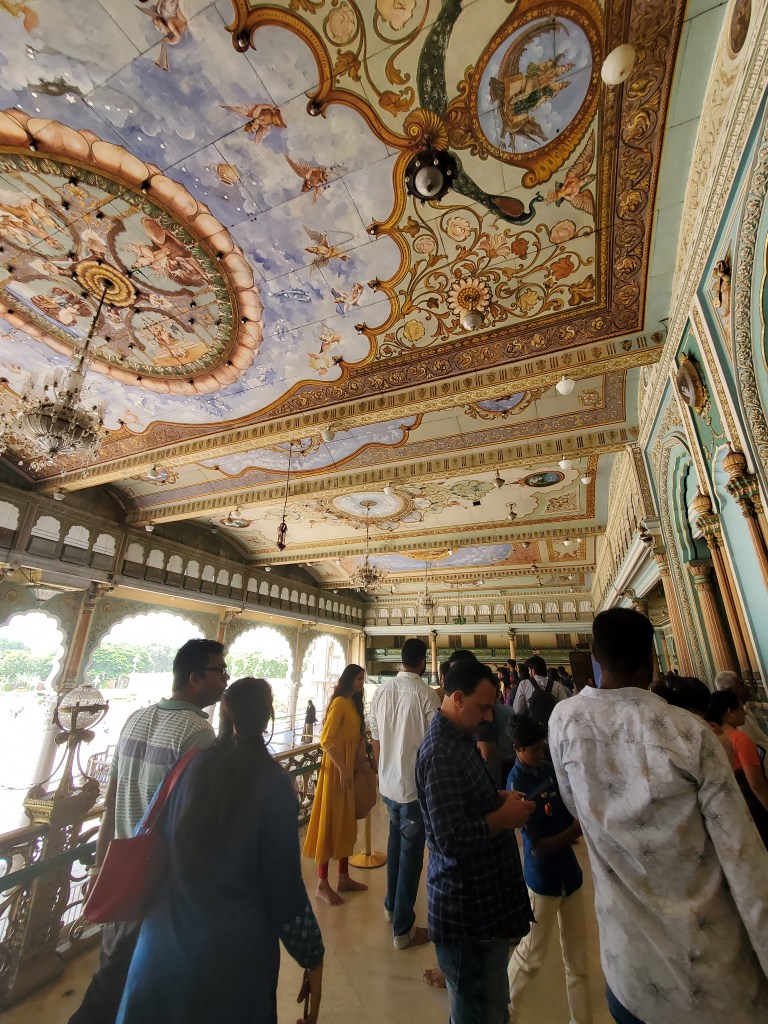
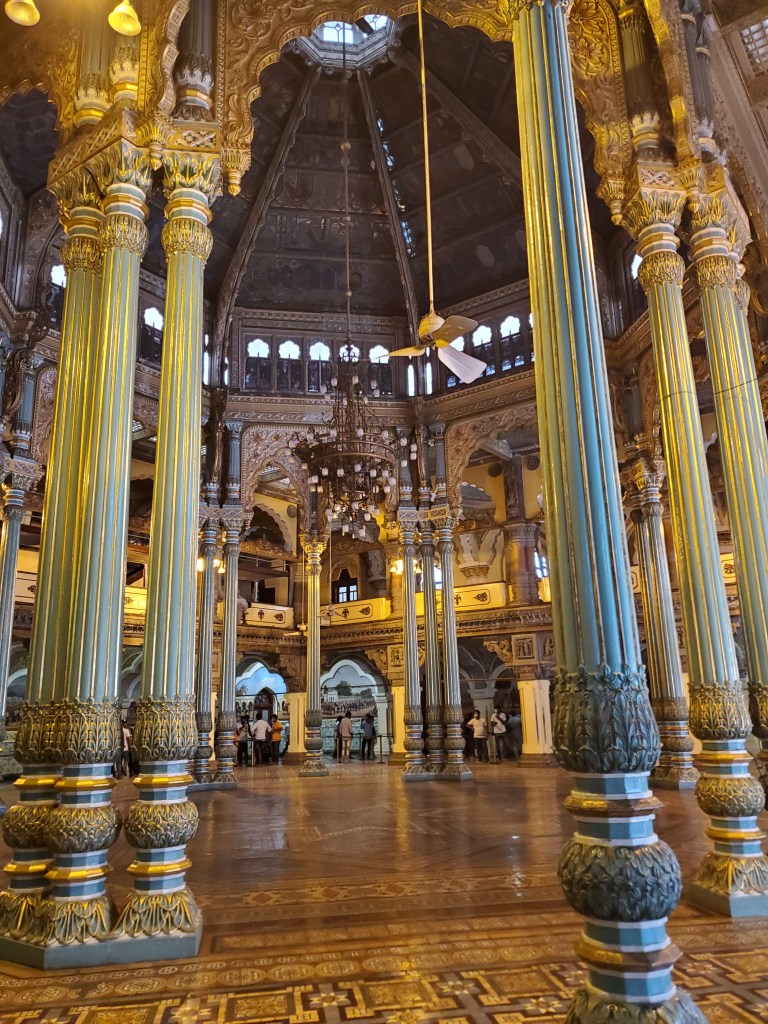
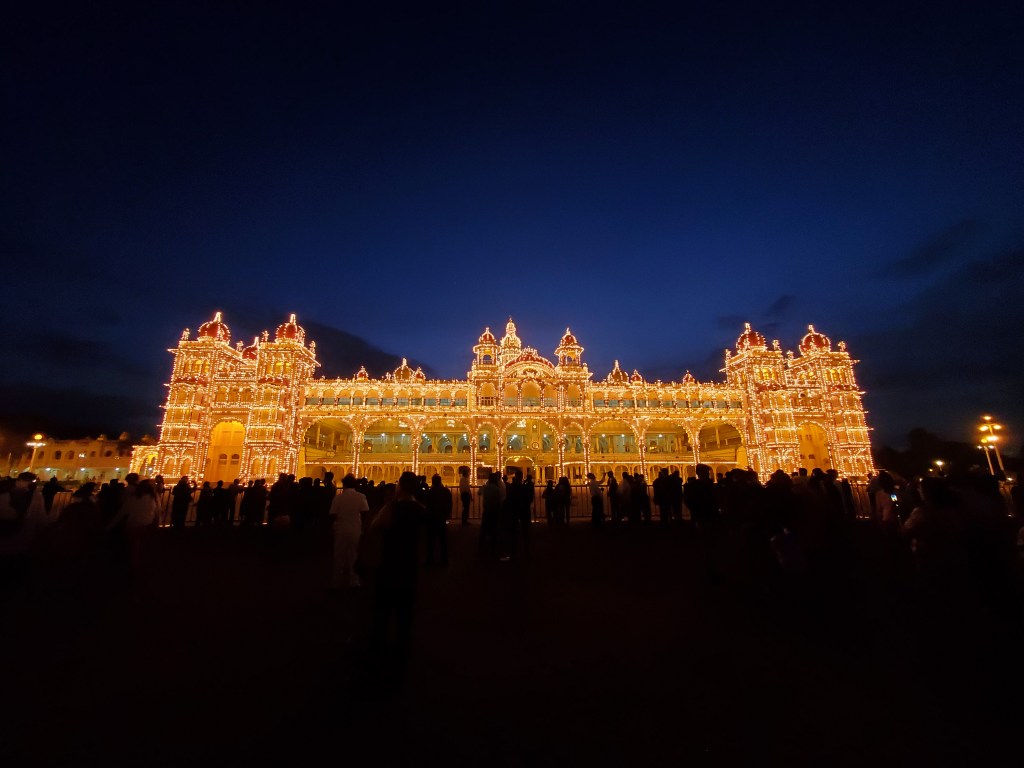
We spent the rest of the day touring Jaganmohan Palace and shopping at Forum City Centre Mall, ending the night by watching the palace lights with Dr. Purnima and her family.
 ikalin.travel.blog
Leave a comment