MONDAY
Today, we went to JSS again to conduct cDNA synthesis. Unfortunately, we were unable to run the RT-qPCR today, so it looks like we’ll be returning tomorrow.
On a happier note, I’ve received more responses for physician shadowing!
Since I’ve had some downtime due to scheduling conflicts with Medha to run the miRNA project, I’ve been dedicating most of my time to reaching out to physicians in AZ to coordinate shadowing opportunities for when I return to US or learning how to code in Python from Professor Dicken’s CSC110 website.
I was looking at my sent folder and realized that the first email I sent requesting physician shadowing was nearly two weeks ago. So far, the only acceptances I’ve received are from personal phone contacts that I know in real-life. It really brings into perspective how valuable networking and connections are. Even with these existing connections, it’s already so difficult to get a response just by cold-emailing people. Even then, I’m fortunate enough that as a student at the U of A, I have access to resources like pre-health advisors and affiliated hospitals that I can reach out to. For non-traditional students or even just people without these options, I imagine it would be so much more difficult. There really should be some centralized system where pre-med students can directly reach out to physicians without having to get caught up in the messy logistics of it all.
How I think about bartering has also shifted. I used to be incredibly embarrassed when my mom would haggle with street vendors or at yard sales for lower prices. To me, it insinuated that we couldn’t afford to pay full price for commodities. There’s this stereotype associated with Chinese Americans that we’re extremely cheap and always on the hunt for a good deal, and bartering only seemed to reinforce that narrative. It’s funny that now that I’m paying out of my own pocket how much more economical it seems. Bartering isn’t desperate, it’s smart. It takes a lot of skill to negotiate to make both parties happy, read nonverbal cues, and know when to compromise. Quite frankly, it’s a valuable life skill to have. There’s all this talk about transferrable experiences to build your resume, but there’s plenty of real-life endeavors like bartering that serve a purpose too.
TUESDAY
This morning, I was able to observe a mock interview for Nikhita’s project. Everyone was positioned around the couches: 3 counselors: 1 interviewer (Ambika), 1 participant (Fazila), and 1 notetaker (Rani). I was surprised that Fazila was providing very detailed responses to the questions, and that the setup was so similar to the real interviews. As Ambika asked the questions, there was a lot of back and forth, with Fazila even posing clarifying questions like a real participant would. The entire process took around 45 minutes. I assumed it would be like a table read for screenwriting scripts, but it makes sense that they would do this to be better prepared for the interviews they’ll carry out in the upcoming weeks.
After the mock, they conducted a debrief, the main focus of which was making sure that the intention behind the questions are clearly communicated and understood so that the participant responses match what the questions are intending to probe for. If there was any mismatch, they worked on rephrasing questions. For instance, there was one question that inquired about social taboos regarding diabetes, but the response discussed more along the lines of general diabetes knowledge in the community. As such, Dr. Kiran suggested changing the wording so that the responses they received would probe more for stigma rather than knowledge.
During the debrief, they also acknowledged certain limitations of the project. Surprisingly, there’s no knowledge of whether the patients they are interviewing have T1 or T2 diabetes. According to Dr. Kiran, patients often won’t even know themselves, and the primary health centers and clinics they recruited patients from won’t have this information either. However, Dr. Vijaya suggested that they could potentially determine the diagnosis based on the patients’ treatments, since T1 diabetes patients normally don’t receive insulin treatment until they are more advanced in age, while T2 diabetes patients will receive insulin treatment starting from their diagnosis.
In terms of the miRNA project, Anisa and I went back to JSS today to run the RT-qPCR. We discussed with Dr. Subbarao the next steps of the project, which involved running RNA isolation on cervical cancer cell lines to develop a potential positive control for future downstream analyses.
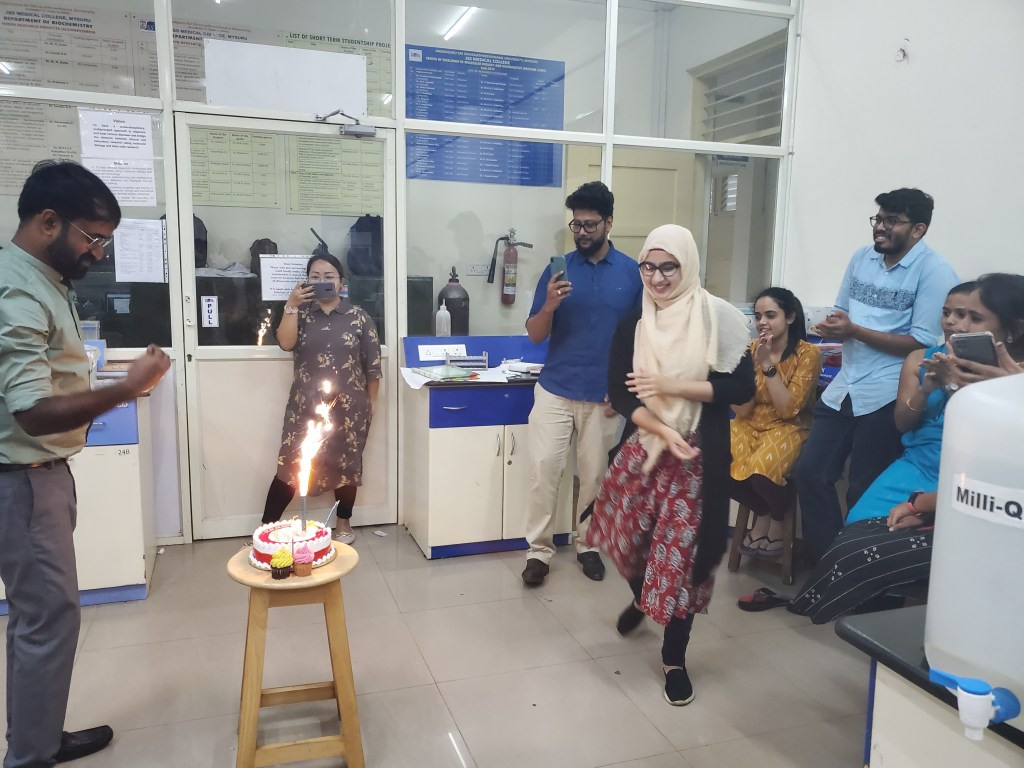
It was also one of the JSS PhD scholar’s birthday today!! The other students brought in a cake and chips, which we had inside the lab. I’m sure that violated more than a few safety protocols, and the whole experience was a bit absurd. I imagine that if Dr. Zhou were to see this, she would likely faint from shock. It was really sweet seeing how supportive the other students are of each other though, and I’m glad they have this kind of community here.
WEDNESDAY
Today, the other interns and I had the opportunity to shadow Dr. Vijaya during a clinic visit. The patient had come in from KR Hospital, a nearby government institution with which PHRII shares a MOU (Memoriam of Understanding) so that patients will be referred here for the various research projects PHRI currently conducts.
Upon arriving, the patient first had a consultation with Rashmi, who collected demographic information, including her age, occupation, past smoking/tobacco use, and reproductive history (age at first period, previous abortions, number of children, HIV status, etc.).
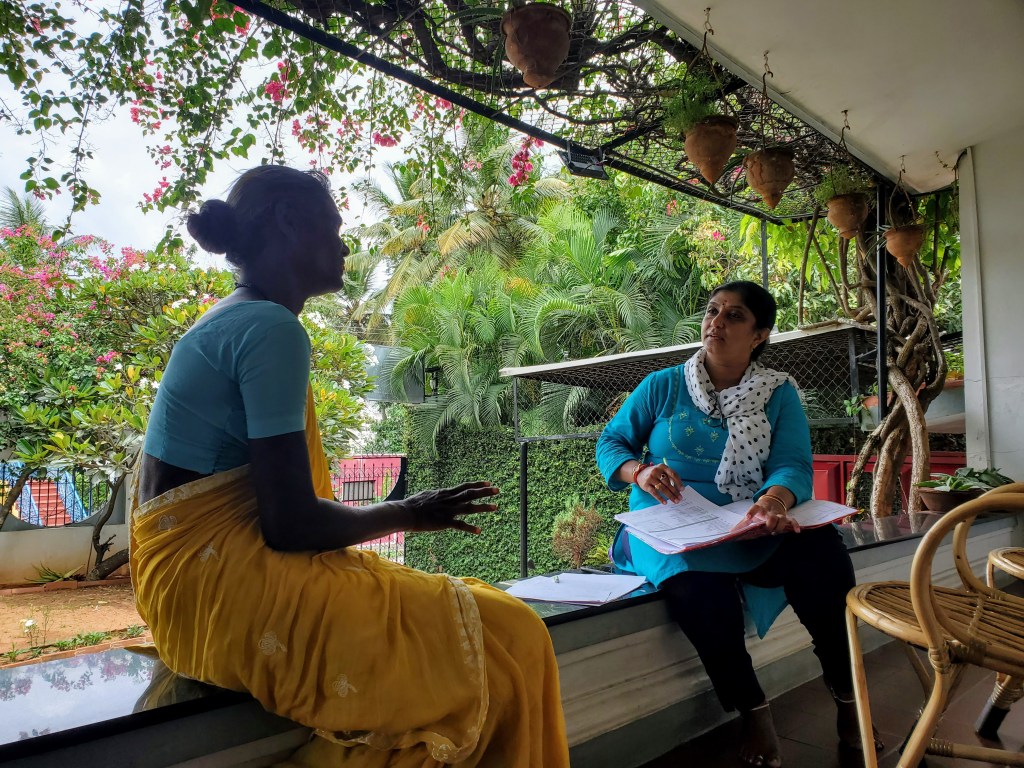
Apparently, this patient had met with a local doctor in her community due to extreme pelvic pain and discomfort. Without providing her with much information, the doctor referred her to KR Hospital, where they again did not confirm the diagnosis to the patient, but ran a MRI. Once the MRI confirmed that the patient indeed had cervical cancer, the oncologist then sent her to PHRI for sample collection prior to her radiation or chemotherapy treatment. Rashmi and Dr. Vijaya later explained that sometimes this is due to the family’s discretion, as the don’t want the patient to endure further emotional/mental distress from the diagnosis. Other times, the physicians just end up passing along this responsibility, hoping that the other specialists will break the news. This was quite surprising to me, because I imagine that a diagnosis as life-changing as cancer would warrant almost immediate notice so that the patient can make the best-informed decision. It’s unthinkable how even after being referred to so many health institutions and going through so many tests and procedures that no one even gave the patient the respect of at least informing her of her condition. It reminds me a lot of The Farewell, a film that Awkwafina starred in featuring a similar story of an elderly grandmother whose family decides to keep the information of her cancer diagnosis from her for her peace of mind, much to the protest of her ABC granddaughter, Billi. There’s a line that Billi’s uncle mentions in this movie, “You think one’s life belongs to oneself. But that’s the difference between the East and the West. In the East, a person’s life is part of a whole. Family. Society.” Maybe it’s a similar phenomenon here and it’s inappropriate of me to impose this Western perspective of individual autonomy into this context, but I can’t help thinking just how unfair it is to lie by omission to someone, especially when it deals with a topic as vital as life and death.
WARNING. medical descriptions ahead, skip to THURSDAY if squeamish
After the consultation with Rashmi, the patient then went in for a pelvic examination with Dr. Vijaya. Leona, Samhita, and I were able to rotate and observe this procedure, with the patient’s consent. Dr. Vijaya first inserted a speculum that resembled a reverse clamp. Instead of holding things shut, this device opened up the vagina, allowing a clearer and unobstructed view. The first sample was the CVL, or Cervical Vaginal Lavage. During this, Dr. Vijaya first applied saline to the cervical region and waited for one minute. The saline was then removed using a pasteur pipet and placed into a sterile tube. From my conversations with Anisa, the CVL sample will likely be used in Medha’s PhD project examining metabolites, cytokines, proteins, and bacteria in cervical cancer patients.
The next steps were to collect the the LBC (Liquid Based Cytology) and HPV test samples. Since Anisa and I had previously conducted LBC staining in the lab, it was intriguing to see the sample collections stage that occurs prior. During this procedure, Dr. Vijaya inserted a plastic scrub-like swab apparatus. This test apparently replaces the pap smear, as the LBC staining that occurs greatly improves the clarity and contrast of the sample, facilitating the diagnosis that the pathologist will have to conduct in the future.
I’m really grateful I had the opportunity to shadow this patient interaction. Working in the lab, where patient samples are reduced to mere letters and numbers, it can quickly feel impersonal, and it’s easy to forget that each sample we process and collect belongs to a person. Especially since my project pertains to cervical cancer, it takes on a lot more meaning when you recognize that the individual who the sample belongs to likely had to overcome a myriad of emotional and physical challenges prior to and in the aftermath of their diagnosis. It really put things in perspective, and it was both sobering and humbling to witness this small part of the patient’s care.
THURSDAY
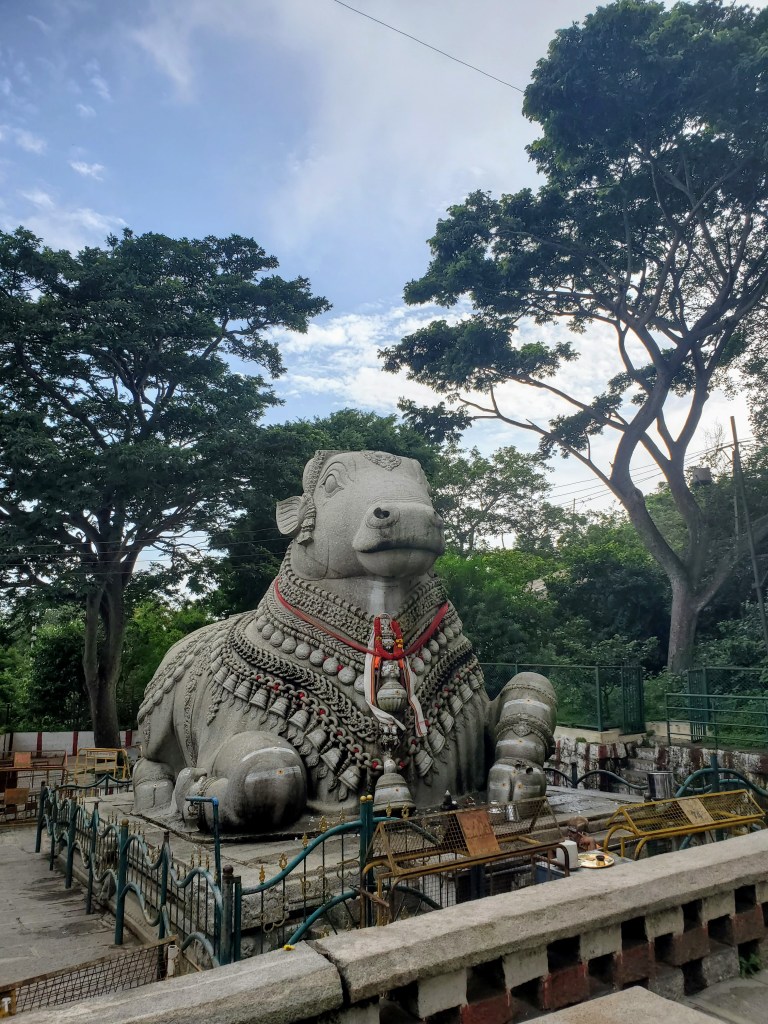
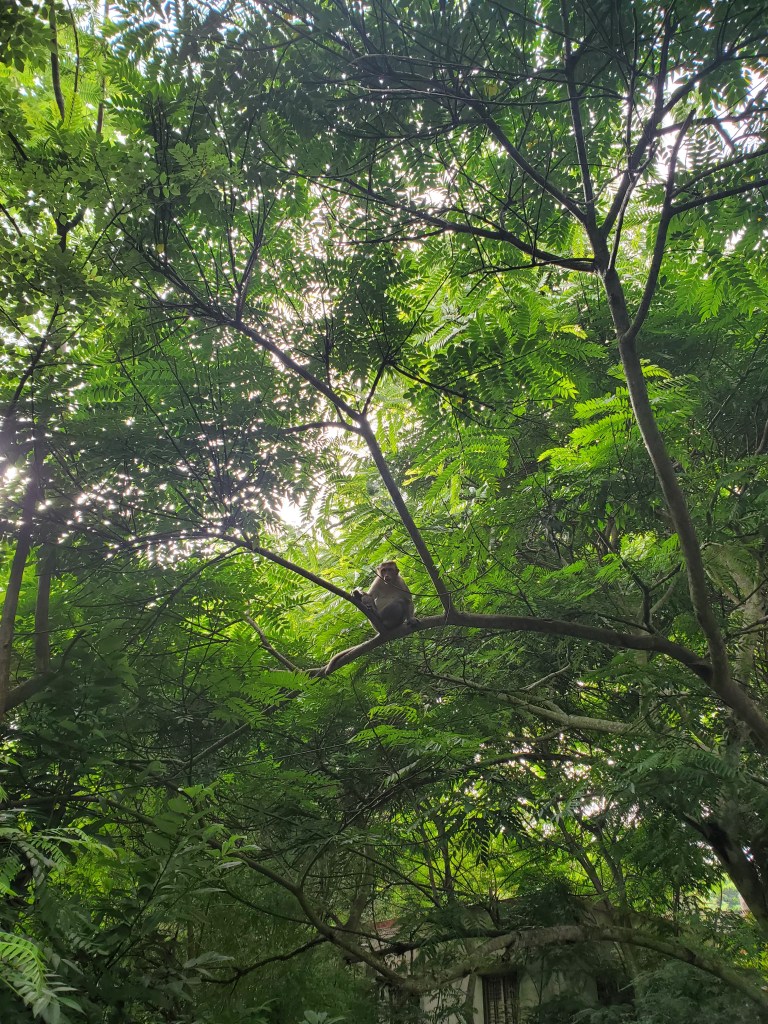
This morning, Leona and I went to Chamundi Hills for a morning hike before work. We initially hoped to climb the 1008 stairs up and down but accidentally input our destination on Uber as the Sri Chamundeshwari temple at the peak. Because of the additional time we had though, we were able to enter inside the temple, where they were conducting a variety of religious ceremonies. Even though we entered mere minutes after the temple opened at 7:30am, there was still an enormous crowd of people. There were also so many monkeys perched on the roof of the temple and in the trees next to the stairs. Since the temple receives so many visitors, I’m assuming that these monkeys have lost any innate fear of people which can lead to some unexpected encounters with unsuspecting tourists like ourselves.
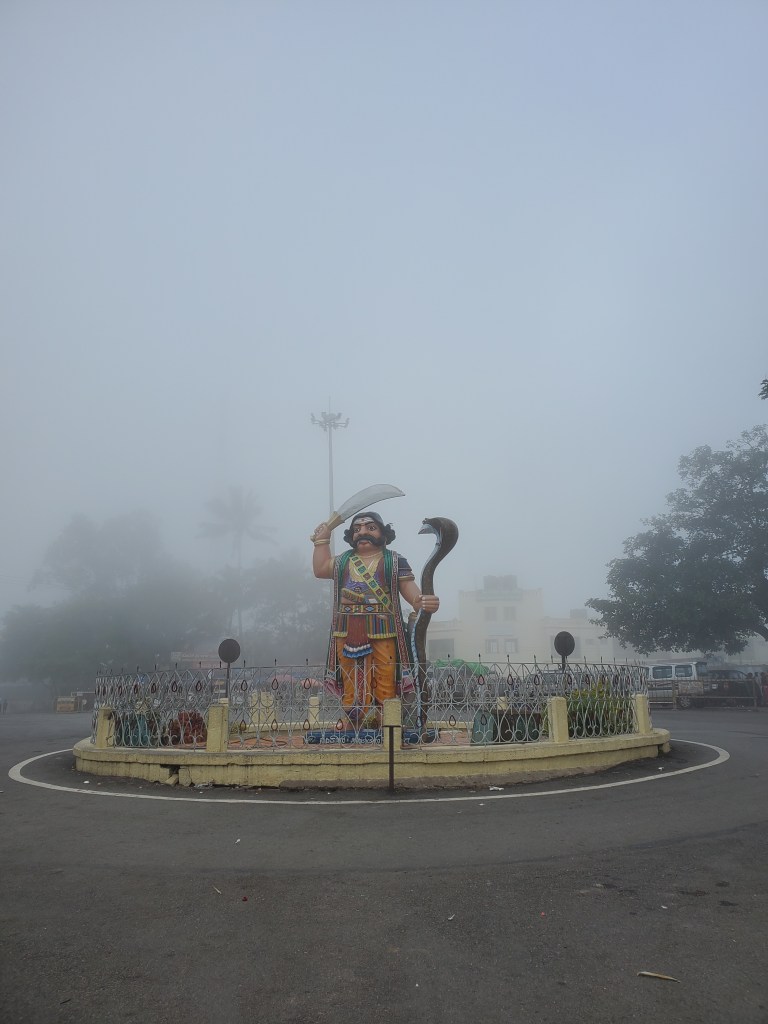
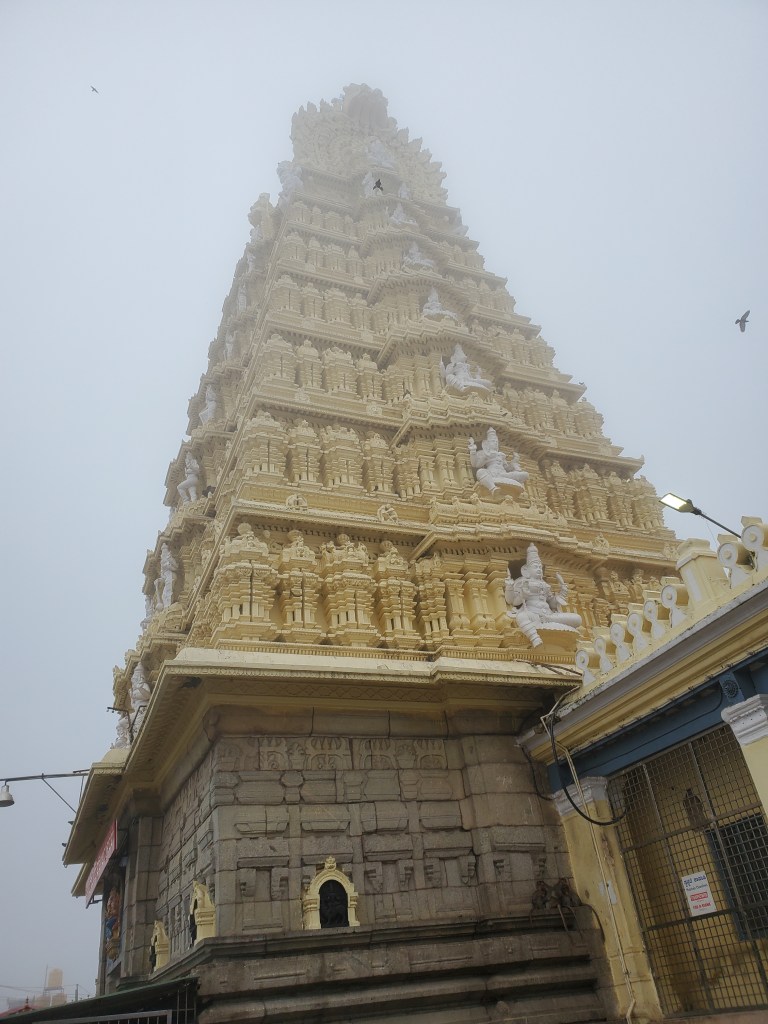
In the afternoon, I went to JSS to shadow Medha as she performed the RNA extraction from serum using the trizol method. Even though she had already run this method in the past, we wanted to see whether a higher initial concentration of serum would result in greater RNA concentration and purity. I will have to return tomorrow to continue this process since there is an incubation step overnight. By then, hopefully there will be a pellet precipitate that we can extract the RNA from.
I also had lunch at JSS today (rice bath), where I met a few other PhD students also in the CEMR Department. They were all so welcoming and offered a few restaurant recommendations around Mysore. They have this practice where each person will share a bit of the food they brought from home, which I found incredibly wholesome. Through my conversation with Kruthika, a first-year PhD student, I also learned that American TV shows are much more well-known here than I thought. Besides the obvious contenders like The Office and Friends, everything from reality TV (Keeping up with the Kardashians), medical procedurals (The Good Doctor), and even historical dramas (The Crown, Bridgerton) are commonly heard-of.
FRIDAY
Since Dr. Karl’s arrival yesterday afternoon, everything at PHRII seems much more purposeful. Anisa and I met with him this morning to discuss the developments in the microRNA project. It looks as if we need to purchase a lot more supplies to standardize our procedures and make sure the experimental conditions are as ideal as possible.
A few takeaways from this meeting:
Recognizing my limitations. As an undergrad research assistant, there’s a lot I don’t know and a lot that I can’t do (yet). Dr. Karl pointed out that since I’ve only had a few months experience rigorously working in a wet lab prior to coming to India, it would likely be best if Anisa carried out the pipetting just so the workflow would be as accurate as possible.
Differences in leadership. Dr. Subbarao (the JSS professor who I work under in India) and Dr. Karl have vastly different approaches to spending. For the last month, the impression I received from Dr. Subbarao was to work with what JSS already has, minimize costs, and be mindful of budget constraints. Since I had no knowledge of where the funding for this project was coming from, I assumed that JSS and Dr. Subbarao controlled the financial aspects. Even when I brought up purchases such as RNAse Zap, a decontaminating solution that would eliminate RNAse enzymes to maintain more sterile RNA working conditions, and RT-qPCR or Qubit kits specially designed for microRNA, there would be an acknowledgement of the limitations posed by our current experimental conditions, but the general consensus still came to be that it was simply too difficult or too expensive to run things as they are in the United States. As someone unfamiliar with the cultural and authoritative hierarchies, I didn’t want to appear disrespectful and impose the methods and equipment I was familiar with if it would pose too much of a burden on the established system here. So, we settled. Instead of working with RNAse and DNAse free pipet tips and microcentrifuge tubes, we worked with tips that were autoclaved twice. Instead of a bleach + ethanol + RNAseZap combination to clean surfaces and equipment, bleach solution and 70% EtOH spray sufficed. Now, with Dr. Karl expressing frustration at the slow pace of the study, something which I harbored similar concerns but chalked up to “that’s just the way thing’s are in India,” it’s defeating and frankly frustrating to see tasks that could have been completed prior to my arrival only be accomplished now.
It feels as if I’ve wasted an entire month here in India. I was so scared of appearing too brusque or falling into the abrasive American stereotype, that I deferred to everyone else. Now, I see that this wasn’t the right approach. Honestly though, what was the right approach?
SATURDAY
Today was the first day of the JSS Workshop on Cytogenetics, Cell and Molecular Biology Techniques. Hosted by JSS Hospital and organized by Department of Science & Technology (DST) STUTI, the event invited MSc students, PhD scholars, faculty, and other research fellows from all over India to learn about developments in genetics/MCB research and gain hands-on experience in laboratory procedures. The workshop began with a welcome ceremony, which included an invocation song, gifting of the workshop manuals to administrative officials (JSS AHER principal, Biochemistry department head, JSS director of research, etc.), and the lighting of a ceremonial lamp. I, for one, was not expecting that this workshop would be this significant that it would receive so much attention and fanfare.
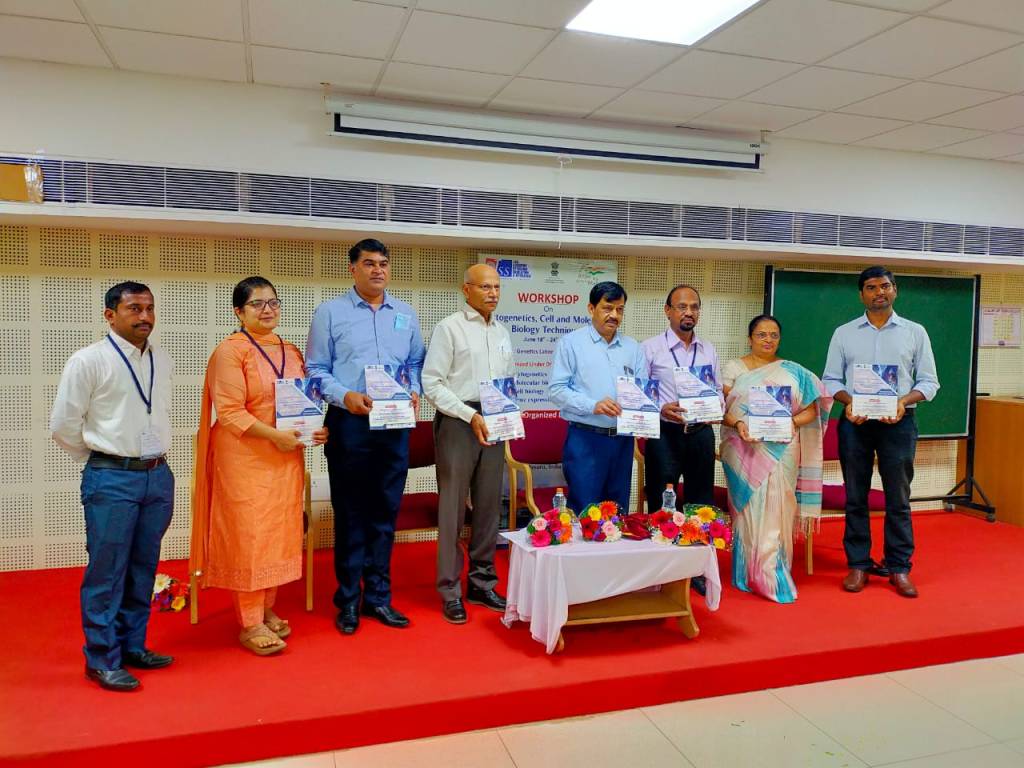
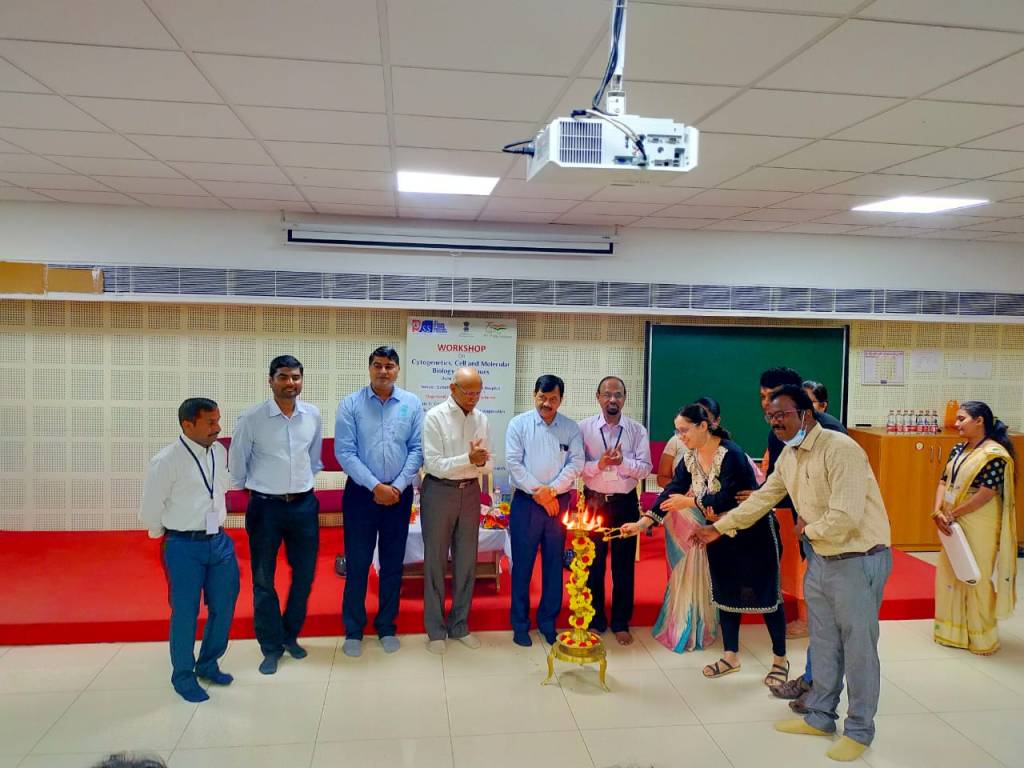
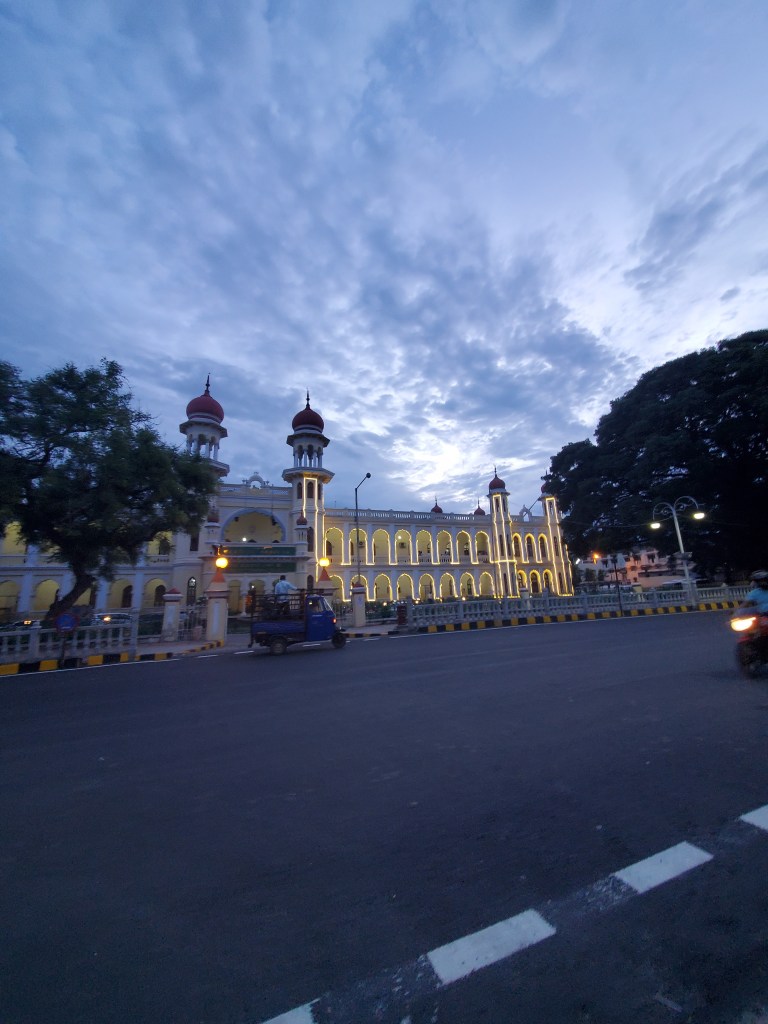
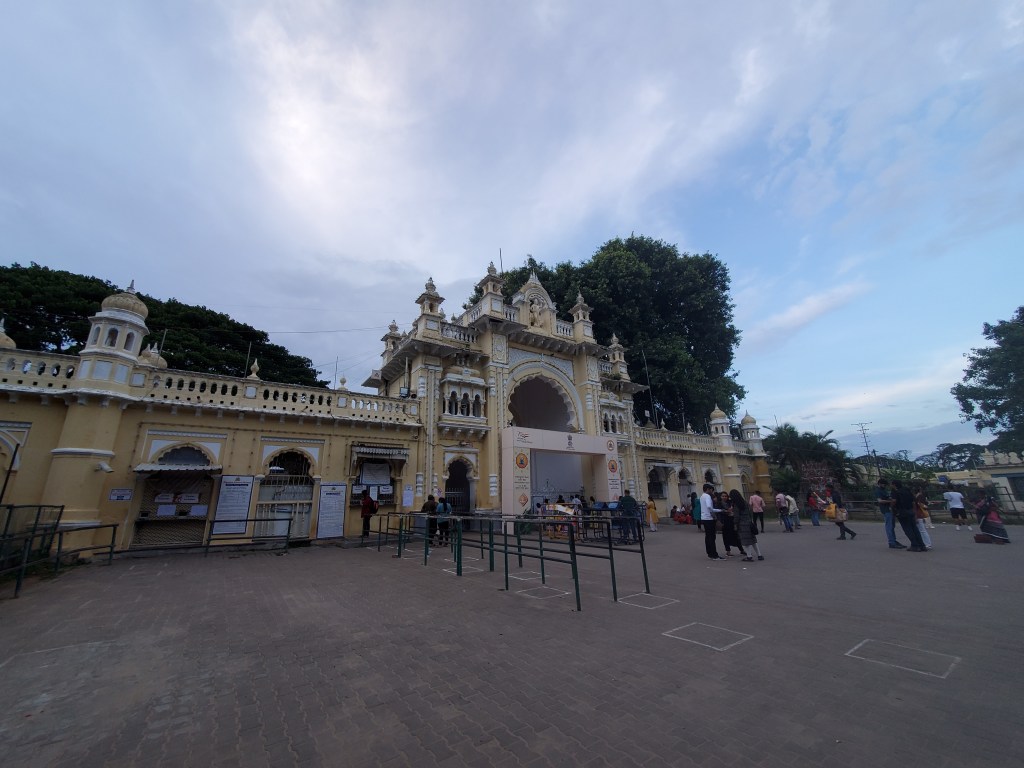
After the workshop ended around 6:15pm, I went to the Mysore palace to meet Nikhita and Priyanka. We were hoping that the palace would be illuminated that evening, but with PM Modi arriving the next day for International Yoga Day, they canceled the palace lighting and cordoned off the entrances. Before heading back to PHRII, we had dinner at Hotel RRR, a restaurant near the Mysore Palace. It was really nice to finish the week on a high note after a stressful few days.
 ikalin.travel.blog
Leave a comment