This week, all the other interns have officially arrived! Leona is a Neuroscience and Performance Arts major from Brown who is incorporating her doula work and emotional support peer coaching experience into a training for ASHA workers. Samhita is a Public Health and MCB major from UC Berkeley. Her project is focused on conducting an impact evaluation of PHRII’s cervical cancer screening program, where she will be interviewing ASHA and Anganwadi workers on community receptiveness and the efficacy of the program.
Since I was unable to start lab work on Monday due to Dr. Subbarao being on leave, I was free to accompany Ambika, one of the counselors at PHRII, and Nikhita to recruit patients at a rural Primary Health Center (PHC) for her project examining quality of life for young adults with diabetes. We were brought to a small office where the nurse and one other hospital personnel combed through handwritten ledgers of patient names for individuals who fit the eligibility criteria. It was really fascinating to see how they still use paper records, especially when everything is so digitalized in the US.
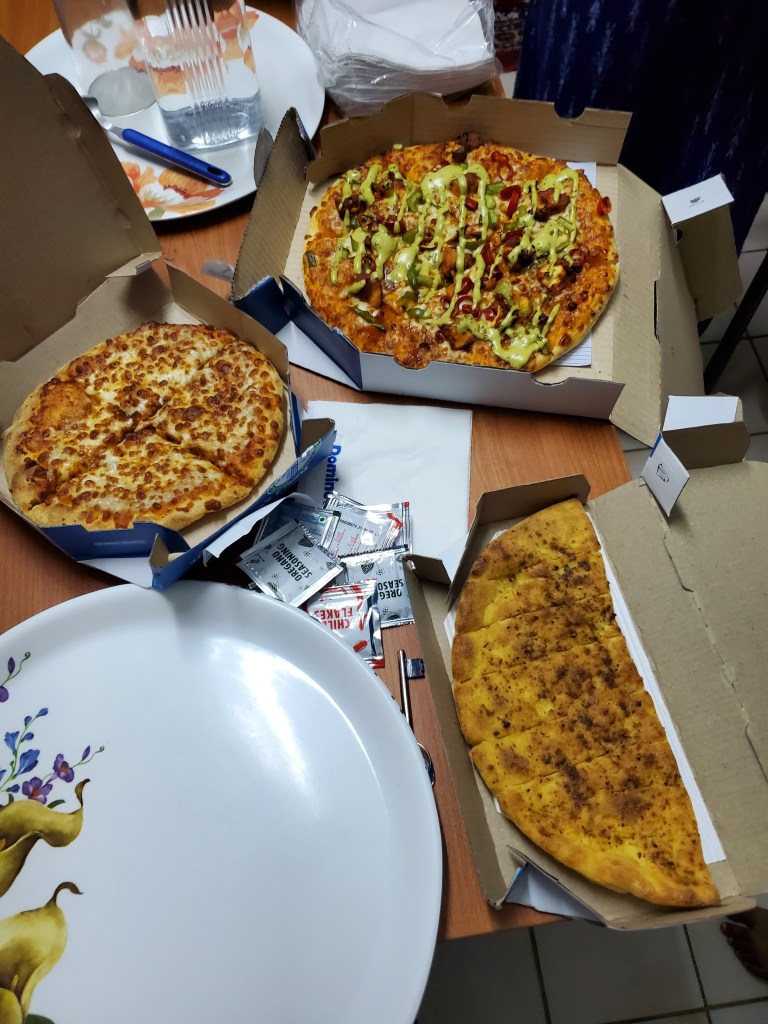
As a side note, I have also fully recovered from food poisoning! Monday night, Samhita, Nikhita, and I ordered Domino’s off of Swiggy (a food delivery app). I’ve never had anything quite like Indian pizza before (e.g. the magherita pizza even had mayonnaise). It was one of those things were I was ambivalent, neither liking it or hating it, but I don’t think I’ll be ordering it again anytime soon.
TUESDAY
I was finally able to start RNA isolation on the samples today!! Even after completing two weeks of this internship, it’s still an adjustment becoming more familiar with the cultural/workplace differences in sense of time. For instance, being told on Saturday that we could begin the lab procedures on Monday and then not being able to start until today certainly takes getting used to. I think it’s a very American or perhaps just a personal preference way of working that everything needs to be as efficient as possible. It’s common to value productivity and results above all else, but here, it’s normal and almost expected for things to go awry. I’ve learned that it’s often helpful for my sake and others’ to reiterate myself more than once, but it’s also definitely good practice to make sure that everyone has everything they need, be considerate to everyone’s needs and the pace at which they work at, and to slow down and consider every detail. A lot of the things that we take for granted in the US such as nitrile gloves and wet ice and accessing molecular grade ethanol and isopropanol in a lab require much more forethought and planning than I assumed. During this internship, I’ve also learned to be much more self-sufficient. Even with the backing of amazing mentors like Dr. Purnima and Dr. Zhou, sometimes it’s just quicker and easier to spend the time researching the answers to my queries than it is to articulate my thoughts precisely in a well-worded email that strikes the balance between appreciative and self-sufficient while recognizing my own limitations as an undergraduate research assistant.
I find myself yearning for guidance though. At least in my experience, it is typical for most PIs to have a lab manager whose full-time job is dedicated to maintaining the lab, part of which entails training undergraduate students. In Dr. Zhou’s lab, I was fortunate that Tasha (my lab manager) was such a good teacher who constantly took the time to explain lab procedures to me, answer my countless questions, and invite me to shadow and eventually take part in the variety of projects, ranging from shadowing sheep necropsies to reading mice pap smears under a microscope to identify estrous stages. It was because of her guidance that I learned so much in such a short amount of time. Even when things with my miRNA project were going slow, there was no shortage of things to do, to learn and perfect. Here, the culture is a lot more different though. Everyone in the lab is a PhD student, tirelessly working to complete their degrees. Consequently, the time they have to mentor undergrads, especially undergrads who are only there for a short amount of time, is incredibly limited. From a cost-benefit analysis, it makes sense. Why would you pour so much time and effort into someone when you won’t get much return out of it? It’s tough to constantly remind myself to seek out help, that it’s not that other people are unwilling to help but just that they may be too busy to think of offering help. It scares me to be so direct, but I think it’s also necessary for me to take initiative and directly ask for guidance if I want to get the most out of this internship.
WEDNESDAY
Thanks for listening to (reading??) my TED talk yesterday. In the morning, Anisa and I headed to JSS Medical College to discuss with Dr. Subbarao about the next steps of our project, which will be to run the cDNA synthesis and RT-qPCR with the RNA samples we isolated yesterday. Since Medha was occupied with her other research today, and the reagents and equipment we need for these procedures are only available if she’s supervising us, we returned to PHRI soon after.
The rest of the day was mainly spent organizing samples in the -80 freezer, which is much more packed and cluttered than the -80 freezers I’ve encountered before. Since the organization system was very minimal, it was incredibly difficult to locate the specific age-matched, control group samples we are supposed to process first. To make it easier in the future for us to quickly access the samples we need and avoid freeze-thaw cycles that will destroy RNA, I labeled the lids of the 400+ sample tubes and placed them in numerical order. To be honest, this task was quite therapeutic.
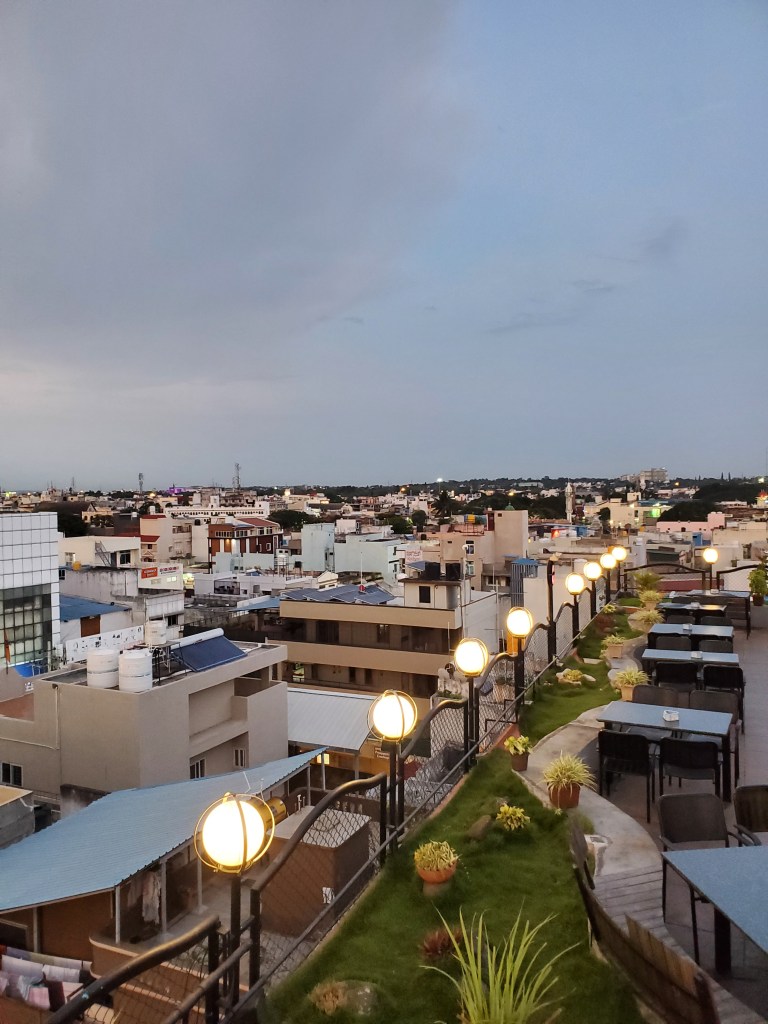
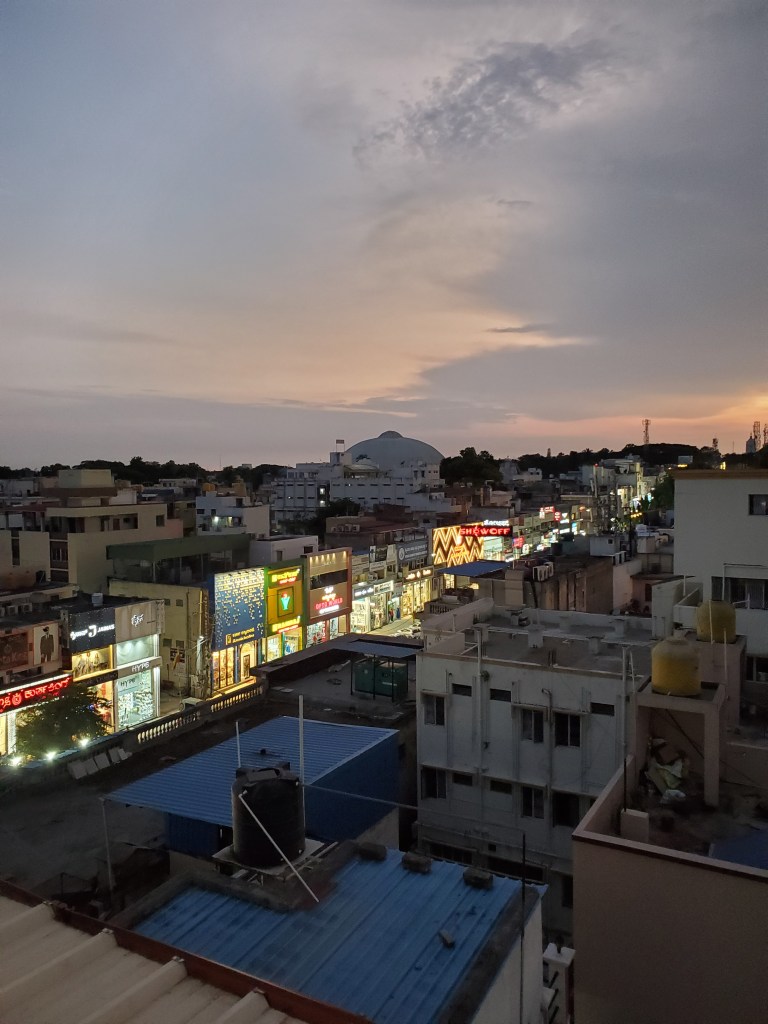
For dinner, Leona, Samhita, Nikhita, and I went to High Park, a rooftop restaurant with a revolving deck. As we ate, we were able to see the sunset over the Mysore skyline. Despite the unorthodox music choices (i.e., the Office theme song), it was still an enjoyable experience., and a restaurant I would return to again.
THURSDAY
This afternoon, I was supposed to go to JSS Medical College to perform cDNA Synthesis from the RNA samples we isolated earlier this week, but Medha was unable to make it due to an emergency at JSS Hospital, so we’ll have to postpone the procedure to later.
With my schedule then free, I was able to help Maiya clean up data for a COVID-19 vaccine hesitancy survey PHRII had conducted along with the other interns. Over the course of a year, PHRII had collected over 507 responses, making this the largest Excel spreadsheet I’ve ever worked with. For each question, we had to write out all the possible responses and convert all the selections to 0’s and 1’s. This was a very eye-opening seeing just how much work goes into qualitative studies. With the very limited prior knowledge I had, I thought that recruitment and survey distribution took up the bulk of a public health/epidemiological study, but they’re really only small pieces of a much larger puzzle. I find qualitative studies so unique because they tell a story though. In lab research, these stories are often so inaccessible because everything’s so zoomed in on minute details and changes, but qualitative research often presents findings that the lay person can understand and find meaningful., lowering the barrier of entry. There’s much more opportunity to take initiative and agency of your own project and design it to tailor your academic interests and what you find along the way. With wet lab research, purchasing reagents and making small tweaks to the protocol don’t necessarily yield immediate results, and it can feel incredibly monotonous. With qualitative research though, it’s easy to see the applications of your research, which honestly just makes it more personal and rewarding and definitely something I would want to do more of in the future.
After work today, I attended a yoga class! It was held at a place called Yoga Gita in Gokulam, a neighborhood that I recognized from previous interns’ blogs as a yoga hub for Mysore. This was my first time with any structured group yoga/exercise session, and I didn’t really feel like I knew what I was doing most of the time, but the instructor was incredibly patient and encouraging. The class was super calming and peaceful, and I walked away feeling very refreshed.
FRIDAY
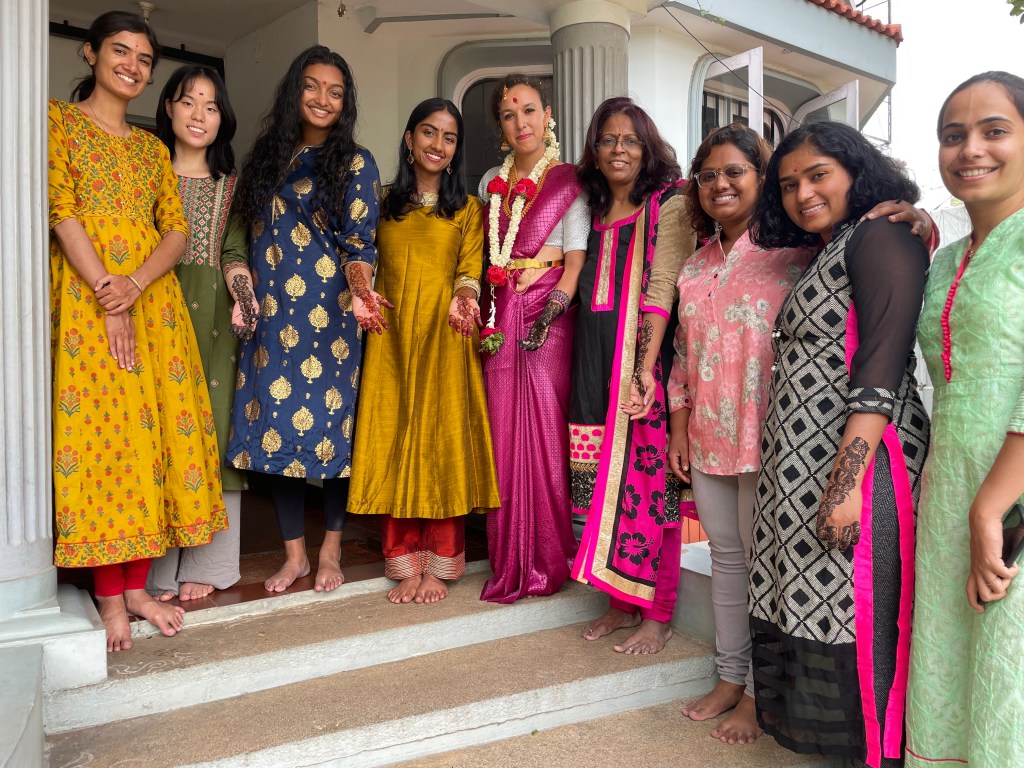
PHRII organized a haldi ceremony for Maiya today!! Since she’s engaged and will be getting married a few months, the ceremony is meant to bless the couple and consisted of traditional rituals, mehndi, and dancing to Bollywood and Kannada music. It was so lovely that the staff at PHRII organized this for Maiya, and the whole experience was a beautiful example of the “second family” atmosphere here. After, Priyanka, Maiya, and I departed for Coimbatore (Priyanka’s hometown) to celebrate Priyanka’s birthday.
WEEKEND
On Saturday, we traveled to Kotagiri with Ghita, Priyanka’s sister. Kotagiri is primarily known for its waterfalls and tea plantations, and the drive there was populated by monkeys perched on the highway barriers.
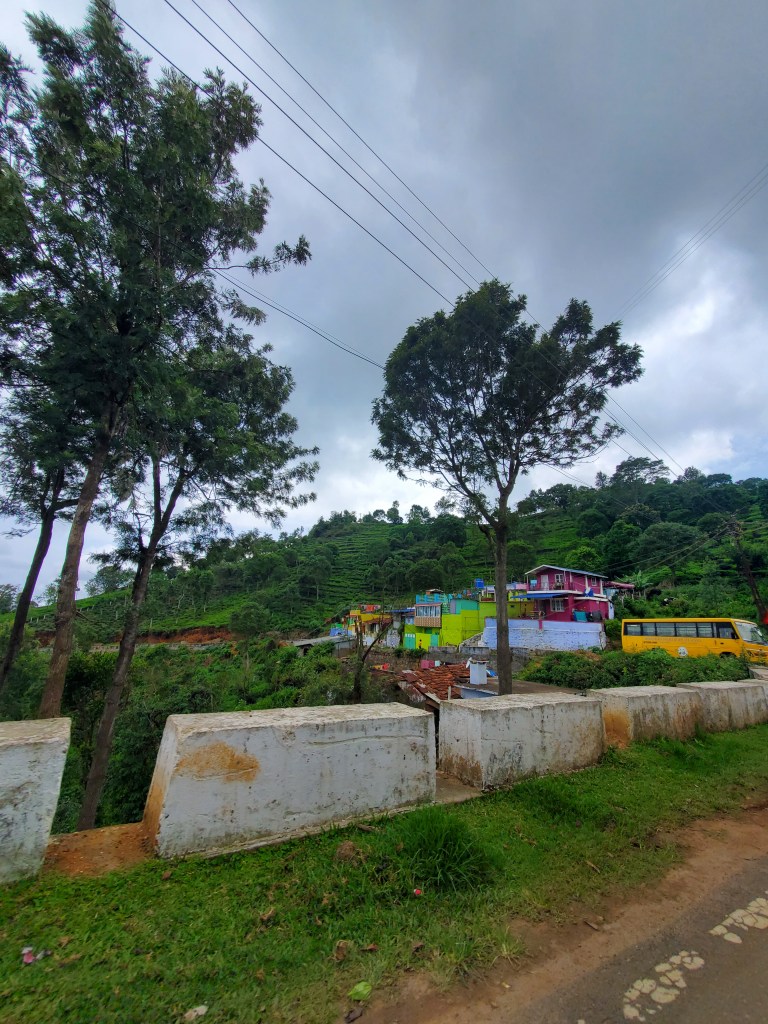
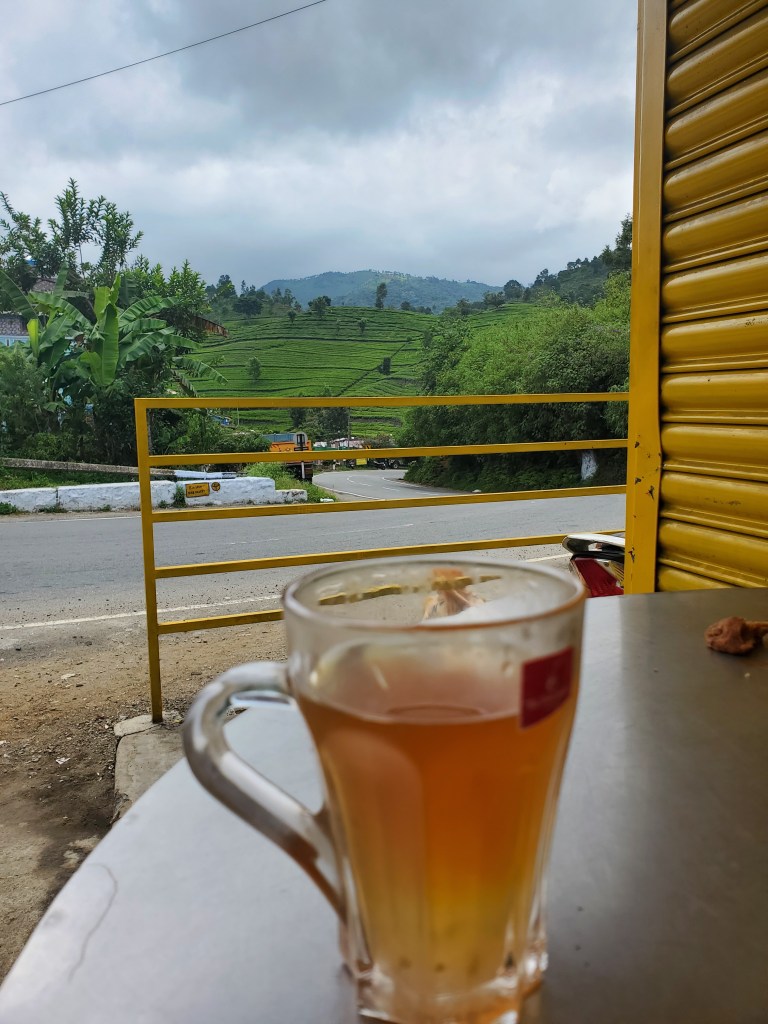
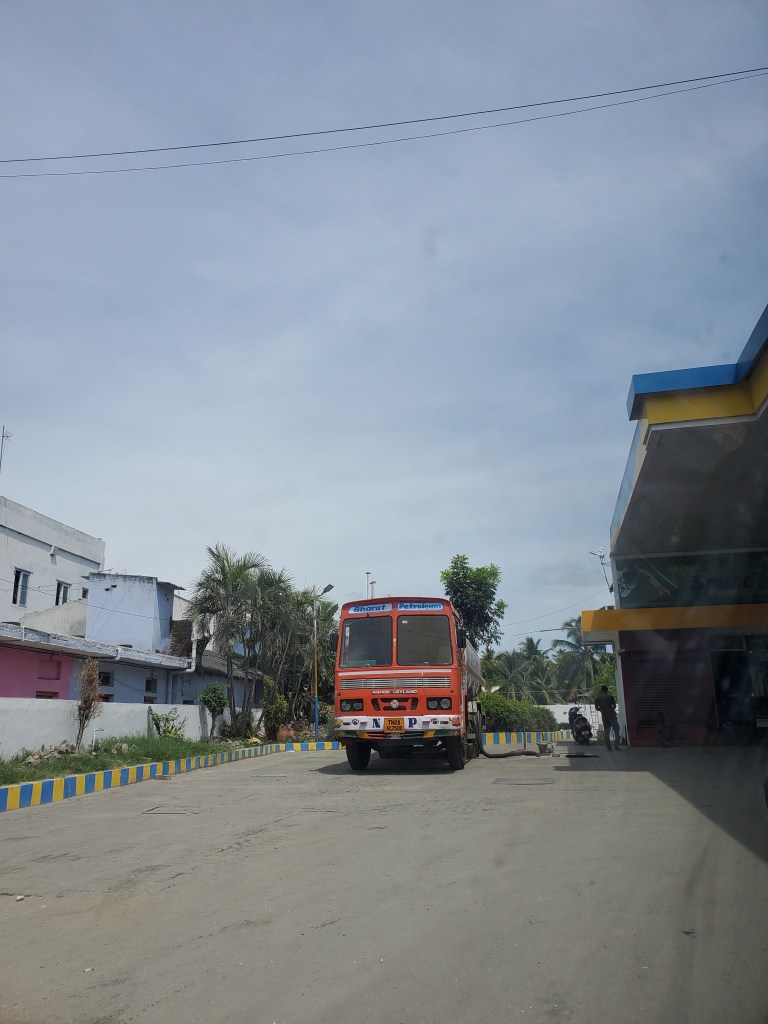
Ghita and Priyanka’s relationship is so wholesome. Ghita is clearly the more adventurous one, repeatedly asking multiple locals if we could trek down to Catherine Falls even though each one reiterated that the trail was now closed. Priyanka prefers to play it safe, preferring to not “risk her life”, as she says. Even on the drive there, Ghita deftly navigated hairpin turns, passing drivers even when confronted headfirst by cars on the opposite sides multiple times.
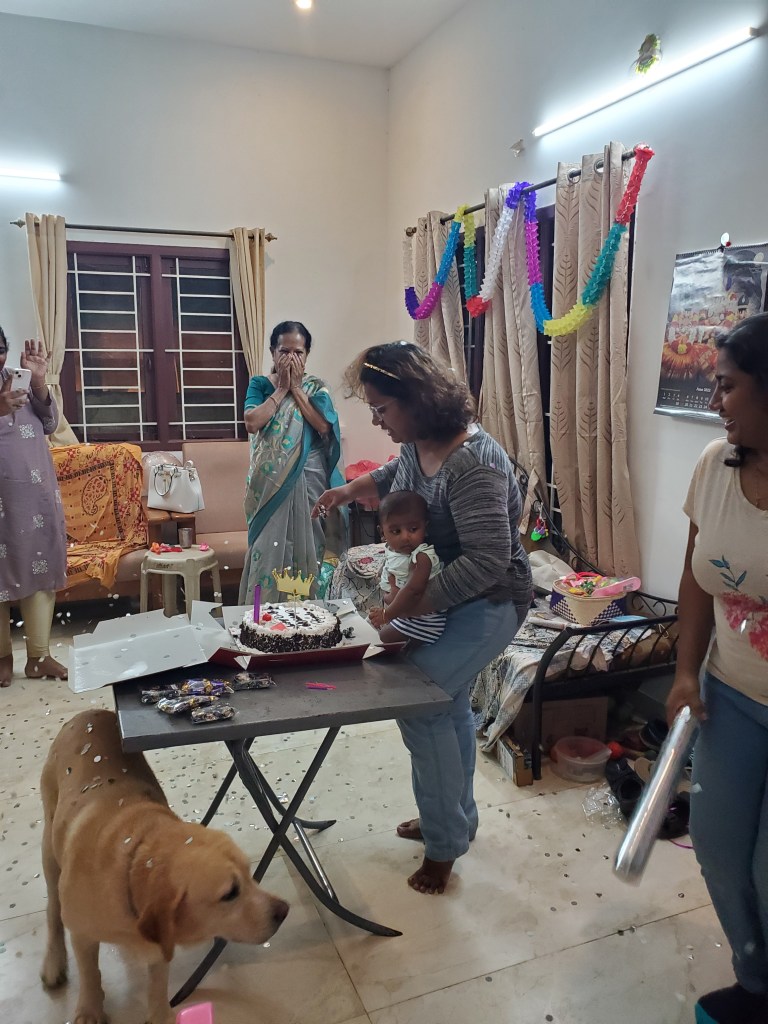
We also got to meet Priyanka’s nephew, who is barely learning to crawl now, along with Tinku and Tiger, Priyanka’s dogs that enjoy stealing her nephew’s toys. This weekend trip was so enjoyable, and Priyanka’s family was incredibly hospitable. Maiya and I both ate so much food, and I’m really glad I had to the opportunity to see another part of India!!
 ikalin.travel.blog
Leave a comment